

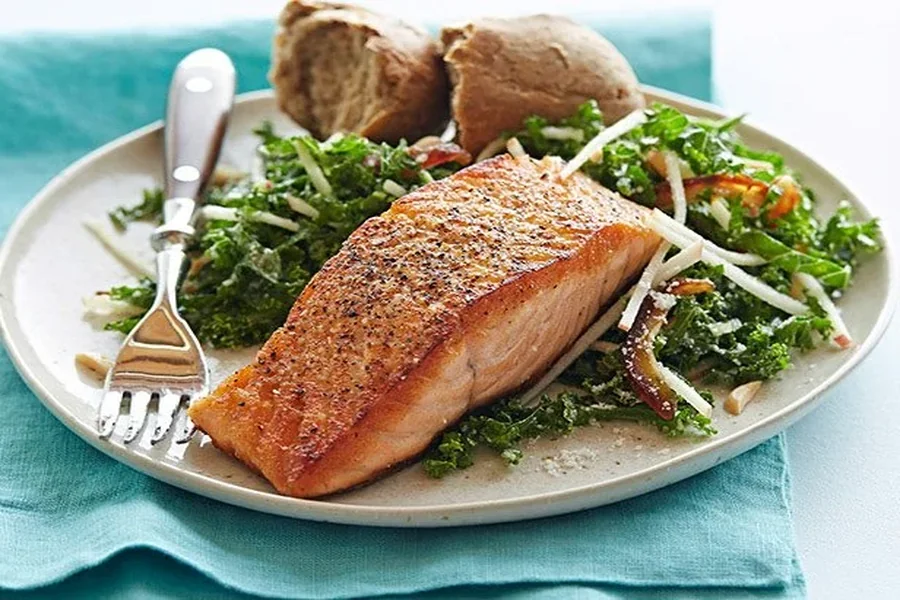
Why Food Matters in Everyday Life
Food is more than something we eat when we feel hungry. It is part of our daily routine and often brings people together. A simple meal can become a special memory when it is shared with family or friends.
The food we eat also affects how we feel throughout the day. A good meal can provide steady energy and help us stay focused. Eating a variety of foods also gives the body important nutrients that support normal growth and daily activities.
Healthy eating does not mean every meal needs to be perfect. In real life people have busy days. Sometimes a quick sandwich is the easiest choice. Other times there is enough time to prepare a full meal. What matters most is the overall pattern of eating rather than one meal.
Food can also be connected to culture and tradition. Every country has zavalio com dishes that tell a story about its people. Spices cooking methods and local ingredients can make one cuisine very different from another.
This is why food can be both practical and meaningful. It can nourish the body while also giving us comfort pleasure and a sense of connection.
50 Food Ideas for Everyday Meals
Finding meal ideas can become difficult when the same dishes appear on the table every day. These 50 ideas can help add variety without making cooking complicated.
- Vegetable omelet
- Chicken and rice
- Lentil soup
- Grilled fish with vegetables
- Vegetable fried rice
- Chickpea salad
- Chicken sandwich
- Egg and vegetable wrap
- Homemade vegetable soup
- Baked potatoes with yogurt
- Rice with mixed vegetables
- Chicken noodle soup
- Tuna salad
- Bean and vegetable curry
- Scrambled eggs with toast
- Grilled chicken salad
- Vegetable pasta
- Lentils with rice
- Fish curry with rice
- Chicken and vegetable stir-fry
- Oatmeal with fruit
- Yogurt with nuts and fruit
- Banana and peanut butter toast
- Fresh fruit salad
- Vegetable pancakes
- Homemade hummus with vegetables
- Chicken kebabs
- Grilled vegetables with rice
- Egg fried rice
- Tomato and cucumber salad
- Vegetable noodles
- Bean soup
- Chicken soup with vegetables
- Baked fish with potatoes
- Stuffed vegetables
- Rice and beans
- Cheese and vegetable sandwich
- Homemade pizza with vegetables
- Chicken pasta
- Vegetable curry
- Boiled eggs with fruit
- Yogurt and oatmeal bowl
- Homemade chicken burgers
- Corn and vegetable salad
- Lentil pancakes
- Vegetable rice bowls
- Fish sandwiches
- Chicken wraps
- Mixed bean salad
- Seasonal vegetable stew
These ideas can be adjusted based on personal taste. You can change spices or vegetables to make the same basic dish feel completely different.
How to Build a Balanced Plate
A balanced plate does not have to look complicated. A useful approach is to include several types of food in one meal.
Vegetables and fruits can provide vitamins minerals fiber and other nutrients. They can also add color and freshness to a meal. Try using different vegetables throughout the week instead of relying on only one or two choices.
Protein is another important part of a meal. Eggs fish chicken beans lentils and other protein-rich foods can help make meals more filling. You do not need to eat the same protein every day. Variety can make your meals more interesting.
Whole grains and other carbohydrate foods can provide energy. Rice oats potatoes bread and other grains can all be part of a meal. The best choice can depend on your usual eating pattern and personal needs.
Healthy fats can also have a place in a balanced diet. Nuts seeds fish and plant oils are common sources.
Portion size matters too. A meal can contain nutritious foods but still be more than you need if the portions are very large. Paying attention to hunger and fullness can help you understand what works for your body.
Most importantly a balanced diet is about the overall pattern. One meal does not determine whether someone eats well.
Choosing Fresh and Useful Ingredients
Good meals often begin with simple ingredients. You do not need a kitchen full of expensive products to cook satisfying food.
Start with ingredients that you already use. Rice vegetables eggs lentils beans chicken fish fruits and basic seasonings can form the foundation of many meals.
When buying fresh produce look for items that are in good condition. Seasonal produce can sometimes offer better flavor and value. It can also encourage you to try foods that you may not normally buy.
Frozen vegetables can be useful too. They are convenient and can make it easier to prepare meals on busy days. Canned beans and lentils can also save time. If you use canned foods check the label when you want to manage added salt or other ingredients.
Keeping a few versatile ingredients at home can prevent unnecessary trips to the store. Eggs are useful for breakfast lunch or dinner. Rice can be paired with vegetables meat beans or fish. Yogurt can work as a snack or part of a meal.
The goal is not to buy everything. It is to keep a practical selection of foods that you can combine in different ways.
Easy Ways to Make Food More Flavorful
Healthy food does not have to be boring. Flavor often comes from simple ingredients and good cooking techniques.
Spices can completely change a dish. Garlic ginger cumin black pepper turmeric paprika and chili can each create a different taste. Fresh herbs can add another layer of flavor.
Acid is also useful in cooking. Lemon juice lime juice or vinegar can brighten many dishes. A small amount can make vegetables fish salads or rice taste more lively.
Texture matters as well. A meal can feel more satisfying when it includes different textures. Crispy vegetables can work well with soft rice. Toasted nuts can add crunch to yogurt or salads.
Cooking method also changes flavor. Roasting can bring out the natural sweetness of vegetables. Grilling can add a smoky quality. Steaming keeps foods light and simple. Stir-frying can create a quick meal with plenty of flavor.
You can also make homemade sauces and dressings. A simple yogurt sauce with herbs can work with vegetables or chicken. A lemon dressing can improve a basic salad.
Small changes can make everyday food much more enjoyable without requiring complicated recipes.
Smart Food Habits for Busy Days
Busy schedules often make healthy eating feel difficult. Planning ahead can make a big difference.
One simple habit is preparing some ingredients before you need them. You can wash vegetables and store them properly. You can also cook rice beans or lentils ahead of time and use them for several meals.
Keeping quick foods available can help when you are hungry and do not have time to cook. Boiled eggs yogurt fruit nuts and prepared vegetables can be convenient choices.
Try not to depend entirely on takeaway meals when you are busy. There is nothing wrong with eating outside the home. The problem comes when convenience becomes the only option.
Another useful habit is creating a basic weekly meal plan. It does not need to be strict. Even deciding on a few meals can reduce the stress of thinking about food every day.
You can also cook larger portions when you have time. Leftovers can become another meal with a few changes. For example leftover chicken can become a sandwich or wrap. Cooked vegetables can be added to rice or eggs.
Simple preparation can save time while giving you more control over what you eat.
Food Safety and Better Storage
Food safety is an important part of healthy eating. Even nutritious food can become unsafe if it is stored or handled incorrectly.
Wash fresh produce before eating when appropriate. Keep raw meat and seafood separate from foods that are ready to eat. Use clean utensils and surfaces when preparing meals.
Pay attention to storage instructions on packaged foods. Refrigerated foods should be kept at a safe temperature. Cooked food should not be left at room temperature for long periods.
Leftovers should be stored properly and used within a reasonable period. If food develops an unusual smell appearance or texture it is safer not to eat it.
When preparing meat fish or eggs make sure they are cooked properly. Avoid cross-contamination by washing hands and cleaning surfaces after handling raw ingredients.
Food safety does not need to be complicated. A few consistent habits can greatly reduce the risk of foodborne illness.
It is also helpful to organize your refrigerator. Keep older foods where they are easy to see so they are more likely to be used before newer items. This can reduce waste and save money.
Frequently Asked Questions About Food
What is a healthy food?
A healthy food is generally one that provides useful nutrients as part of a varied diet. Vegetables fruits whole grains beans lentils nuts seeds fish eggs and other nutrient-rich foods can all have a place in healthy eating.
No single food needs to be considered perfect. Variety is more important than relying on one particular ingredient.
What should I eat every day?
There is no single daily menu that works for everyone. A varied diet can include vegetables fruits protein-rich foods grains and suitable sources of healthy fats.
Your needs can depend on age activity level preferences and other individual factors.
Is rice healthy?
Rice can be part of a healthy diet. It provides carbohydrates and energy. Different types of rice have different nutritional profiles.
The overall meal matters too. Rice paired with vegetables and a protein source can create a more balanced meal.
Are homemade meals better than restaurant food?
Homemade meals can make it easier to control ingredients portions and cooking methods. However eating at restaurants can also fit into a balanced lifestyle.
The most useful approach is to consider your overall eating habits rather than labeling every restaurant meal as unhealthy.
How can I eat more vegetables?
Start with small changes. Add vegetables to eggs rice noodles sandwiches soups or pasta.
Keeping washed and ready-to-use vegetables available can also make them easier to include in meals.
What is a good quick breakfast?
A quick breakfast could include oatmeal with fruit yogurt with nuts eggs with toast or a fruit and yogurt bowl.
The best option is one that fits your schedule and keeps you satisfied.
How can I reduce food waste?
Plan meals before shopping and buy quantities you are likely to use. Store food properly and use leftovers creatively.
You can also freeze suitable foods before they spoil. Using food efficiently can save both money and resources.
Can I enjoy sweets while eating healthy?
Yes. Healthy eating does not require completely avoiding foods you enjoy.
Sweets can be enjoyed occasionally and in suitable portions. A balanced diet can include both nutritious foods and foods chosen mainly for pleasure.
How much water should I drink?
Water needs vary from person to person. Activity level weather diet and other factors can affect how much fluid you need.
Drinking regularly and paying attention to thirst can help support normal hydration.
Final Thought
Food plays a major role in everyday life. It gives us energy and nutrients while also connecting us with family culture and tradition. Eating well does not require complicated rules or expensive ingredients.
The simplest approach is to focus on variety balance and practical habits. Include different foods throughout the week. Add vegetables and fruits when you can. Choose suitable protein sources and enjoy grains and other energy-giving foods in sensible portions.
Cooking at home can make healthy choices easier but there is also room for restaurant meals snacks and treats. Food should provide nourishment but it should also bring enjoyment.
Instead of trying to change everything at once start with one small habit. Add a vegetable to lunch. Prepare breakfast the night before. Try a new recipe or keep fruit available for a quick snack.
Small choices repeated over time can create better eating habits. The goal is not perfection. It is finding a way of eating that is nutritious enjoyable and realistic for everyday life.
