

Introduction
Early Childhood Education is the foundation stage of human learning that shapes how children think feel and behave in later life It covers the early years from birth to around eight years old This stage is very important because the brain develops rapidly during this period Children learn from their environment experiences and interactions at a very fast pace Early Childhood Education focuses on building basic skills such as communication problem solving creativity and emotional understanding
It is not only about academic learning It is also about helping children develop confidence social behavior and curiosity about the world A strong start in Early Childhood Education can positively influence a person future success in school career and personal life
Meaning of Early Childhood Education
Early Childhood Education refers to structured and unstructured learning experiences provided to young children before formal schooling and during the early primary years It includes activities that support physical mental emotional and social development
This type of education takes place in preschools kindergartens daycare centers and even at home through guided learning experiences The main goal is to help children learn naturally through play interaction and exploration
Early Childhood Education encourages children to express themselves ask questions and understand basic concepts of language numbers shapes and relationships It also helps them develop habits such as listening sharing and following instructions which are essential for future learning
Importance of Early Childhood Education
Early Childhood Education plays a very important role in brain development Studies show that a large part of brain growth happens during early childhood This means experiences during this stage have long lasting effects on learning ability and behavior
Children who receive quality Early Childhood Education often perform better in school They are more likely to develop strong reading and math skills and they adapt more easily to structured learning environments
It also helps reduce learning gaps between children from different backgrounds When children start learning early they gain equal opportunities to build essential skills regardless of their family situation
Early Childhood Education also supports emotional development It teaches children how to manage feelings solve problems peacefully and build healthy relationships with others These skills are important for both school life and future social interactions
Key Learning Areas
Early Childhood Education covers several important learning areas that support overall development One major area is language development Children learn to speak listen and understand new words through stories songs and conversations
Another important area is cognitive development This includes thinking skills memory and problem solving abilities Children learn to recognize patterns shapes numbers and simple logical relationships
Physical development is also a key part of Early Childhood Education It includes both fine motor skills like writing and drawing and gross motor skills like running jumping and balancing
Social and emotional development is equally important Children learn how to interact with others share toys cooperate in groups and understand emotions These learning areas work together to build a strong foundation for future education
Teaching Methods in Early Childhood Education
Teaching methods in Early Childhood Education are designed to make learning fun and engaging One common method is learning through play Children use toys games and activities to understand basic concepts in a natural way
Storytelling is another powerful method Teachers use stories to improve language skills imagination and moral understanding Children learn better when they can connect lessons to interesting stories
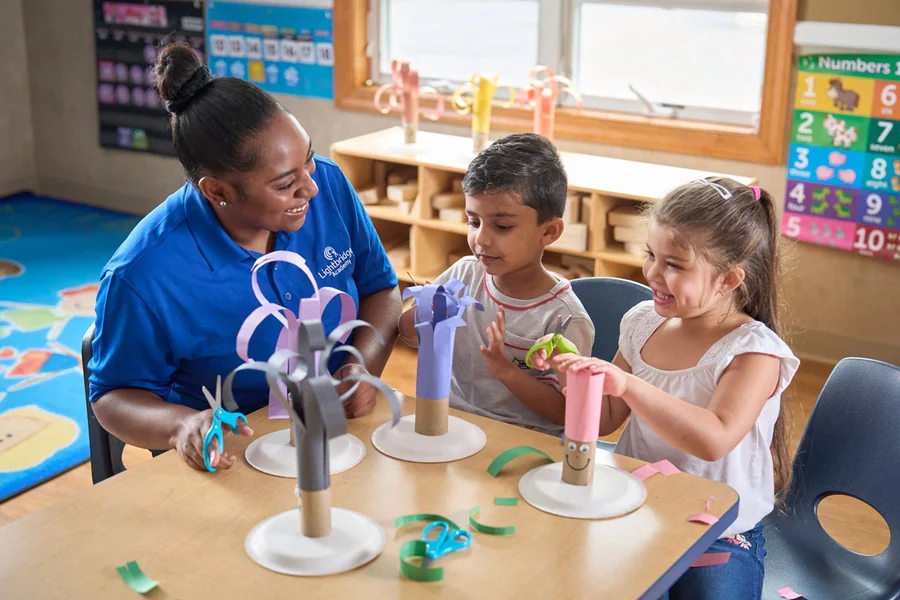
Hands on activities are also widely used These include drawing building blocks puzzles and crafts which help improve creativity and coordination
Group activities encourage teamwork and communication Children learn how to cooperate with others and respect different opinions Music and movement activities are also used to improve memory rhythm and expression These methods ensure that learning is enjoyable and meaningful for young children
Role of Parents and Teachers
Parents and teachers both play a crucial role in Early Childhood Education Teachers provide structured learning environments and guide children through educational activities They observe each child progress and help them improve in different areas
Parents support learning at home by creating a positive and encouraging environment Simple activities like reading together talking about daily experiences and playing educational games can make a big difference
When parents and teachers work together children receive consistent support This cooperation helps children feel secure confident and motivated to learn It also ensures that any learning challenges are identified early and addressed properly
Challenges in Early Childhood Education
Early Childhood Education faces several challenges in different parts of the world One major challenge is lack of access to quality education in rural or low income areas Many children do not get the opportunity to attend preschool programs
Another challenge is shortage of trained teachers Early Childhood Marathiukhanee.com Education requires special skills and not all educators receive proper training
Limited resources is also a common issue Some schools do not have enough learning materials toys or safe environments for children
Parental awareness can also be a challenge In some cases parents may not fully understand the importance of early learning which affects child development
Despite these challenges efforts are being made globally to improve Early Childhood Education systems and make them more accessible and effective.
Final Thought
Early Childhood Education is one of the most important stages in human development It shapes how children think learn and interact with the world A strong foundation during early years leads to better academic performance improved behavior and greater confidence in later life
Investing time effort and resources in Early Childhood Education benefits not only individual children but also society as a whole When children are given proper guidance love and learning opportunities they grow into capable responsible and successful adults
